WHY IS PRINCETON PUBLIC SCHOOLS GOING OUT FOR A REFERENDUM AGAIN AND WHAT IS INCLUDED IN THE PLAN?
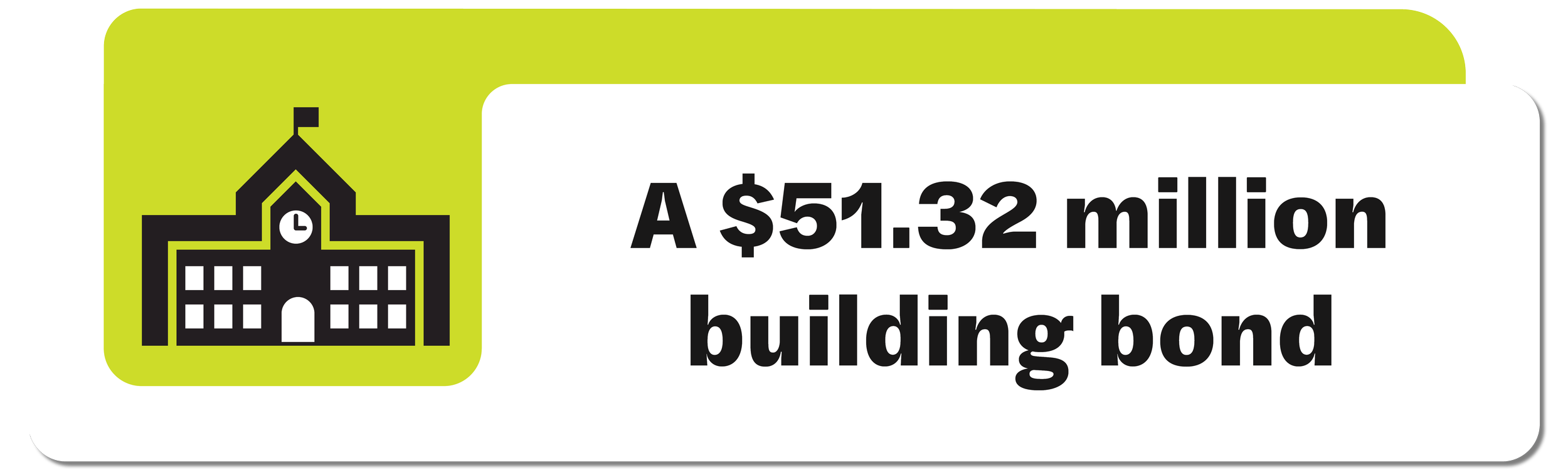
Princeton Public Schools voters are being asked to consider a referendum that will invest $51.35 million in Career and Technical Education (CTE) spaces, classrooms, and infrastructure maintenance and updates to the high school, and $750,000 annually over the next decade to fund essential classroom technology. These investments are included in a single ballot question.
Even though the 2025 Roaring Forward Referendum did not pass in November, our schools’ needs have not changed. That is why the Princeton School Community will be asked to consider this proposal again in May.
Learn more about the referendum by watching this video.
The only way to make investments of this size is through a voter‑approved referendum. The plan includes:
Replace the 60-year-old boiler at the high school and the 25-year-old roof at the middle school to keep our schools comfortable and energy efficient.
Renovate rooms in the original 1966 building to ensure general classrooms and special education spaces are able to support collaborative, hands-on learning.
Expand and renovate our Career and Technical Education (CTE) spaces, which support automotive technology, metals/welding, woods/construction, machining, business, culinary arts, and healthcare.
Complete major renovations to classrooms and science labs that host robotics, computer/digital art, and Certified Nursing Assistant training.
Improve spaces used by community members such as strength and fitness training areas and the concession stand.
Improve accessibility by moving the physical education locker rooms out of the basement and closer to the gymnasium. This will improve supervision and address safety concerns.

This would provide $750,000 annually over a 10-year term to pay for essential learning technology.
Examples include:
Devices
Software
Internet
Technology staff
And trade-specific tools for our Career Academies, such as nursing, design, automotive care, and machining.
Imagining new spaces for our students
Please note that these images are conceptual and not finalized. The design process has included more than two years of research, planning, and community engagement.
Princeton High School students have a variety of interests and career aspirations. Our vision is to equip every student to be career-ready and college-ready. About half of our students will pursue careers that require a four-year degree and about half of our students will pursue careers that require an apprenticeship, associate’s degree or on-the-job training. Whatever their path, Princeton High School inspires students to explore careers, discover their passions and talents, and plan for their future.
How does this plan support Tiger Academies?


PRINCETON CTE CURRENT CONDITIONS VS. THE INDUSTRY STANDARD
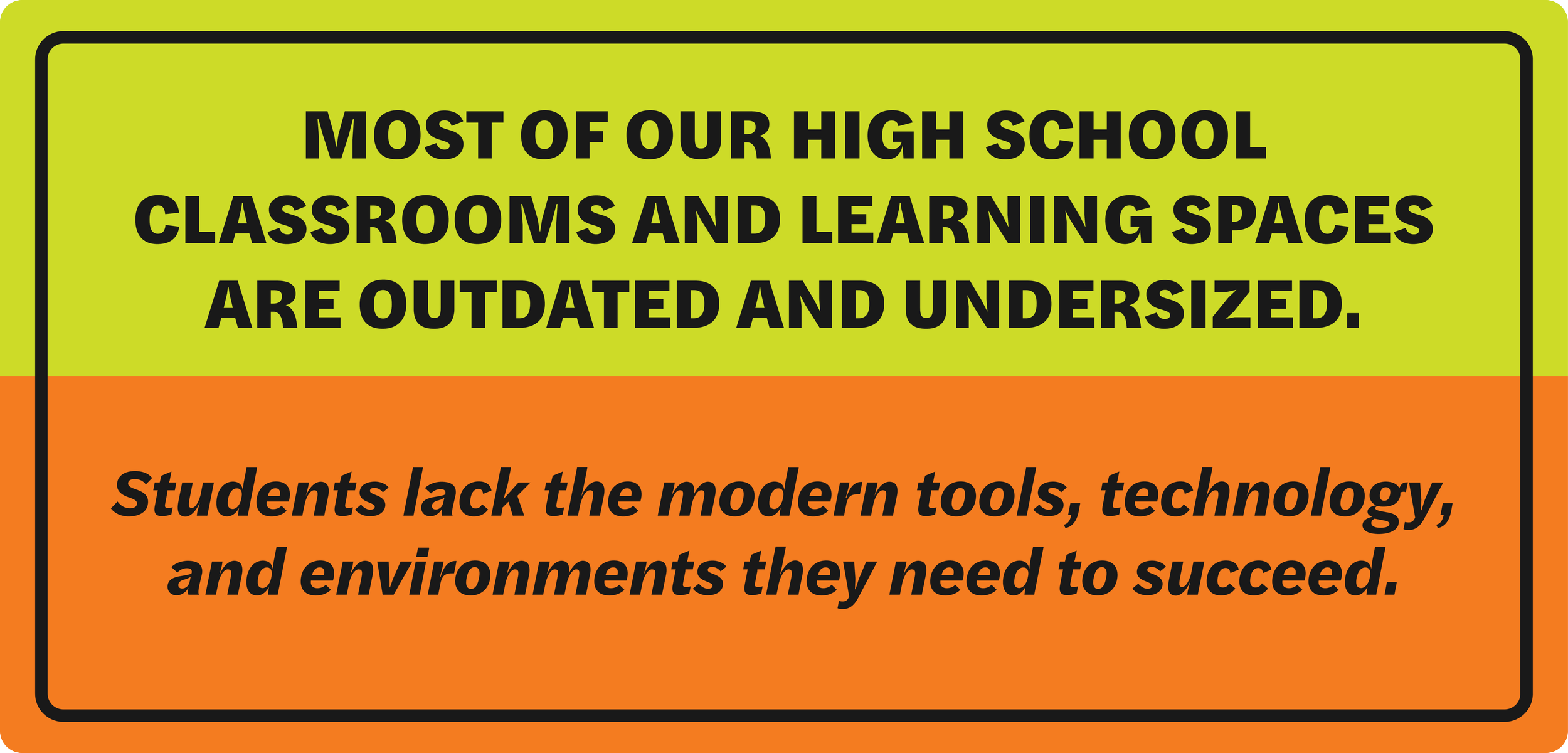
Career & Technical Education (CTE) classes are held in pole sheds built in 1970. They were supposed to be temporary. They are still in use 55 years later. Students train for construction, automotive, manufacturing, health careers, and culinary arts in outdated spaces. Students need modern spaces and technology to support all types of learning.
You can use the image sliders below to move between images of our current spaces and what industry standard spaces look like. Simply click on the line and drag left or right.
WELDING
CULINARY
WOODS
AUTO
Other High School cte projects in minnesota
How the Outcome of the Vote Impacts Our Schools
if the referendum passes:
If voters approve the referendum, the district would have the funding needed to:
Create new space and purchase equipment for career and technical education in areas such as healthcare, automotive technology, construction and engineering, welding, woods, machining, culinary arts, business, and more.
Update core education spaces that support our innovative curriculum, giving students and teachers safe and collaborative spaces to work, learn and prepare for their future.
Invest in maintenance to keep our schools comfortable and energy-efficient, saving our district money on repairs and energy costs for many years to come.
Improve spaces used by all students, community members, and visitors, supporting physical education and community activities at our schools, while improving their accessibility, privacy, and longevity.
Provide funding for technology essential to operating classrooms and for career-specific learning, including maintaining and updating devices, software, and technology infrastructure that supports classrooms and career training.
if the referendum fails:
Waiting longer to pass a referendum to invest in our schools will delay critical improvements and likely increase costs. Scaling back the project would leave major problems unsolved. Impacts of not having this needed funding approved include:
Limited Learning Opportunities – Outdated classrooms will remain poorly suited for hands-on, collaborative learning.
Constrained Career & Technical Education – Decades-old spaces will stay in temporary, undersized facilities, limiting enrollment and posing safety concerns.
Reduced Access to Technology – Without dedicated funding, rising tech costs will pull resources from classroom instruction and student support.
Fewer Tools for the Future – Students will miss out on the modern tools and environments they need for college, careers, and life.
The referendum plan was carefully developed with the help of staff, community members, and other educational and financial experts.